
Panels aren't all the same
Two PVC panels can look identical on the shelf and behave very differently on a hot roof. Before you pick on colour, check:
- Thickness and stiffness. Press the face. Thin panels flex and show every batten; firmer ones stay flat across a span.
- Width and joint. Wider panels mean fewer joints; a tight, deep joint hides better.
- Finish. Plain white hides small marks; glossy and woodgrain finishes show waves in a poor frame.
- Trims. Matching corner and edge trims from the same range finish the room. Mixing brands rarely lines up.
Prices for individual panel grades vary by supplier and change often, so we price the panel you choose in your estimate rather than quote a list here.
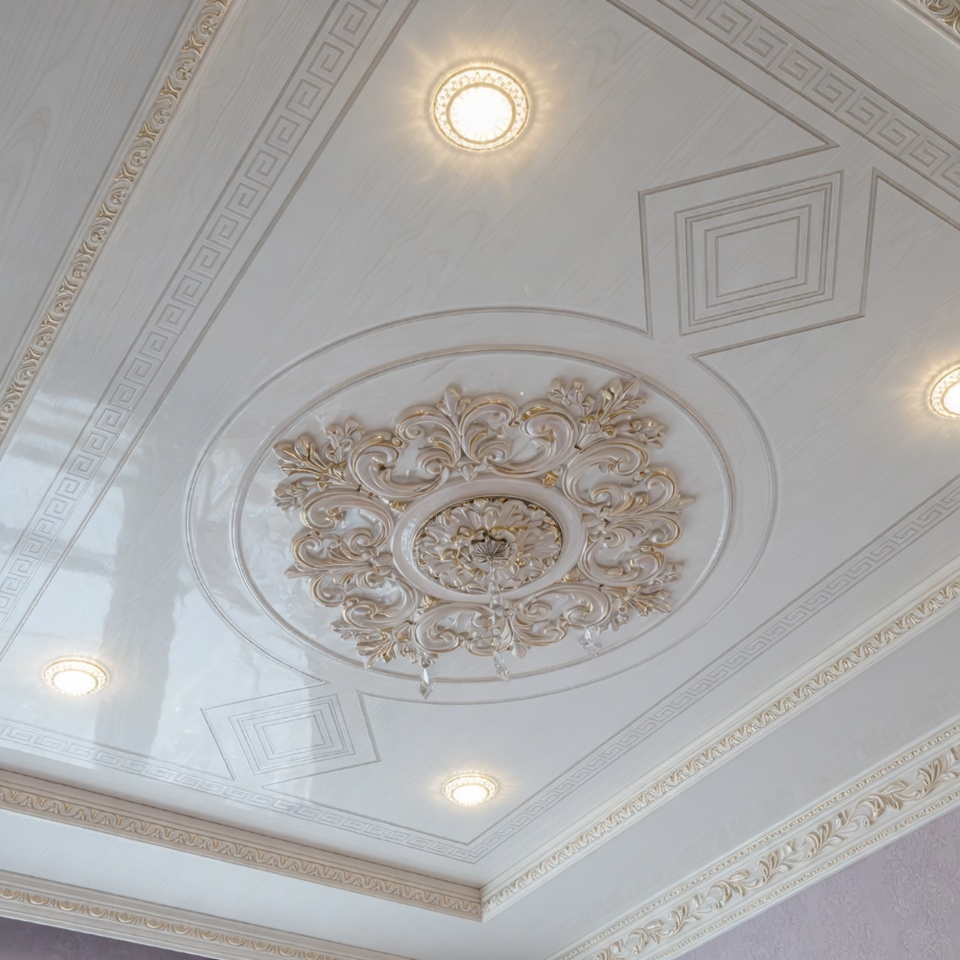
The frame is the job
A PVC ceiling is only as straight as what it's screwed to. In the south the heat under a metal roof is real, and panels expand and contract with it. A good installer leaves room at the edges for that, keeps batten spacing tight enough that panels don't sag between them, and levels the whole frame before the first panel goes up. Ceilings that wave or open at the joints are almost always a frame problem.
What it costs in the south
Ahlookin's ceiling guide (January 2026) gives South Trinidad prices of TT$10–12 per square foot installed for PVC, against TT$17–20 for gypsum. For the full room-by-room tables, see PVC ceiling costs, or the worked house example on our San Fernando page.
South-specific things to check
- Clay and cracking. A study in the West Indian Journal of Engineering notes expansive clays are common in central and south Trinidad. If walls are moving and cracking, a rigid ceiling will show it at the edges. Find out why first.
- Termites. Timber roofs with old board ceilings often hide damage. Look before you cover.
- Rainy season. June to December. Get roof leaks fixed before the new ceiling goes up.
Where we work
We're based in Point Fortin and take ceiling work across the south. The town pages below have local notes for each place.